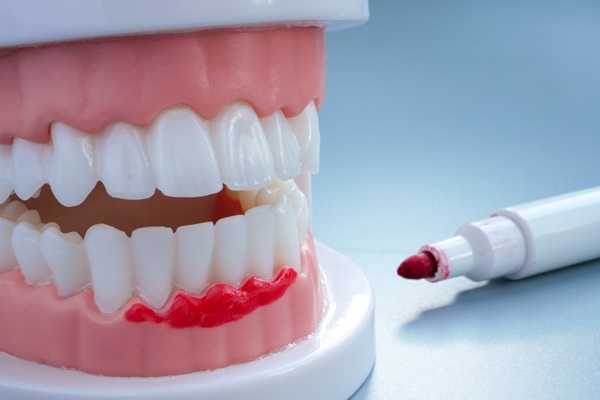
Gum recession is a condition where the gum tissue surrounding the teeth pulls back. A periodontist can provide gum recession treatments to minimize discomfort and prevent it from progressing and causing more severe dental issues. By seeking care promptly, patients can restore gum health and protect their smiles.
A closer look at gum recession
Gum recession is common but treatable. The sooner a patient gets treatment, the easier and less invasive treatment will be. Since this condition involves gum tissue pulling away from the teeth, it exposes more of the tooth surface toward the root. As a result, the patient may experience tooth sensitivity and pain. The teeth may also appear longer or uneven due to the receding gum line. Finally, without gum recession treatment, this condition increases the risk of tooth decay, root damage, and eventual tooth loss.
Common causes
One of the most common causes of gum recession is periodontal disease, which results from bacterial infections that erode the gum tissue and supporting structures. That said, it can also be a precursor to gum disease. For instance, aggressive brushing habits, such as using excessive force or hard-bristled toothbrushes, can contribute to gum tissue wearing away over time. Poor oral hygiene can worsen the issue and allow tartar to accumulate, leading to gum inflammation and recession.
Certain genetic factors may predispose patients to gum recession, even with diligent oral care. Tobacco use is another significant contributor, as smoking or chewing tobacco impairs gum tissue healing and worsens existing gum issues. Teeth grinding (bruxism), misaligned teeth, and bite problems are other common causes, with each putting undue pressure on the gums and supporting structures.
Gum recession treatment options
No matter the cause of a patient’s gum recession, periodontists offer a range of treatments tailored to their symptoms and needs. Gum recession treatment typically focuses on halting the condition’s progression, restoring gum tissue, and preventing further complications. Here are some of the most common treatment approaches from a periodontist:
- Scaling and root planing. A deep cleaning procedure to remove plaque and tartar from below the gum line and smooth teeth roots, encouraging gum reattachment and reducing inflammation.
- Soft tissue grafting. A surgical technique that involves taking tissue from another area, often the palate, to restore the gum line, improve smile appearance, and provide added protection for teeth roots.
- Orthodontic or dental appliances. Correcting misaligned teeth, bite issues, or protecting against bruxism can relieve undue pressure on the gums and prevent further gum recession.
Addressing the issue early helps protect sensitive areas and reduces the risk of long-term complications. With gum recession, this means protecting the gum line and tooth roots, as well as preventing pain, tooth decay, gum disease, and tooth loss.
Schedule an appointment
Gum recession requires professional evaluation and treatment to prevent complications. A periodontist is uniquely trained to diagnose and treat gum recession effectively, using proven techniques to ensure better oral health outcomes. Contact our team at Blossom River Dental to learn more about your gum recession treatment options.
Request an appointment here: https://www.blossomriverdental.com or call Blossom River Dental at (408) 217-0500 for an appointment in our San Jose office.
Check out what others are saying about our services on Yelp: Gum Recession Treatment in San Jose, CA.
Related Posts
Laser dentistry offers an alternative to ultrasonic drills by using focused light to remove tooth decay, shape tissue, and sanitize surfaces. Although the traditional drill delivers reliable results for many dental needs, dental lasers have improved the effectiveness of conservative techniques and patient comfort. A trusted dentist can recommend one approach over the other after…
A dental crown and a bridge both restore smiles, but they solve different problems and follow different procedures. Many patients ask which option is best when a tooth breaks, cracks, or goes missing. Typically, a general, cosmetic, or family dentist would repair a tooth with a crown but replace a missing tooth with a bridge.…
A dental implant provides a stable base for a natural-looking tooth replacement. This proactive solution fills gaps in the smile and maintains a healthy jaw. Respectively, the bite remains aligned, preserving the natural shape of the face. Thanks to dental implants, patients can enjoy a stable and beautiful smile that lasts.The most noticeable impact of…
Seeing an emergency dentist for tooth extraction is sometimes necessary when pain, damage, or infection develops suddenly. Tooth extractions are typically planned in advance, but urgent situations may require immediate dental care to relieve symptoms and prevent further complications. Knowing when to seek help from an emergency dentist ensures that patients receive prompt and effective…